Right to Rent Rules Change on 1 October: What Every Landlord Must Do Differently
England · 6 min read · 28 May 2025 · Last reviewed 6 September 2026
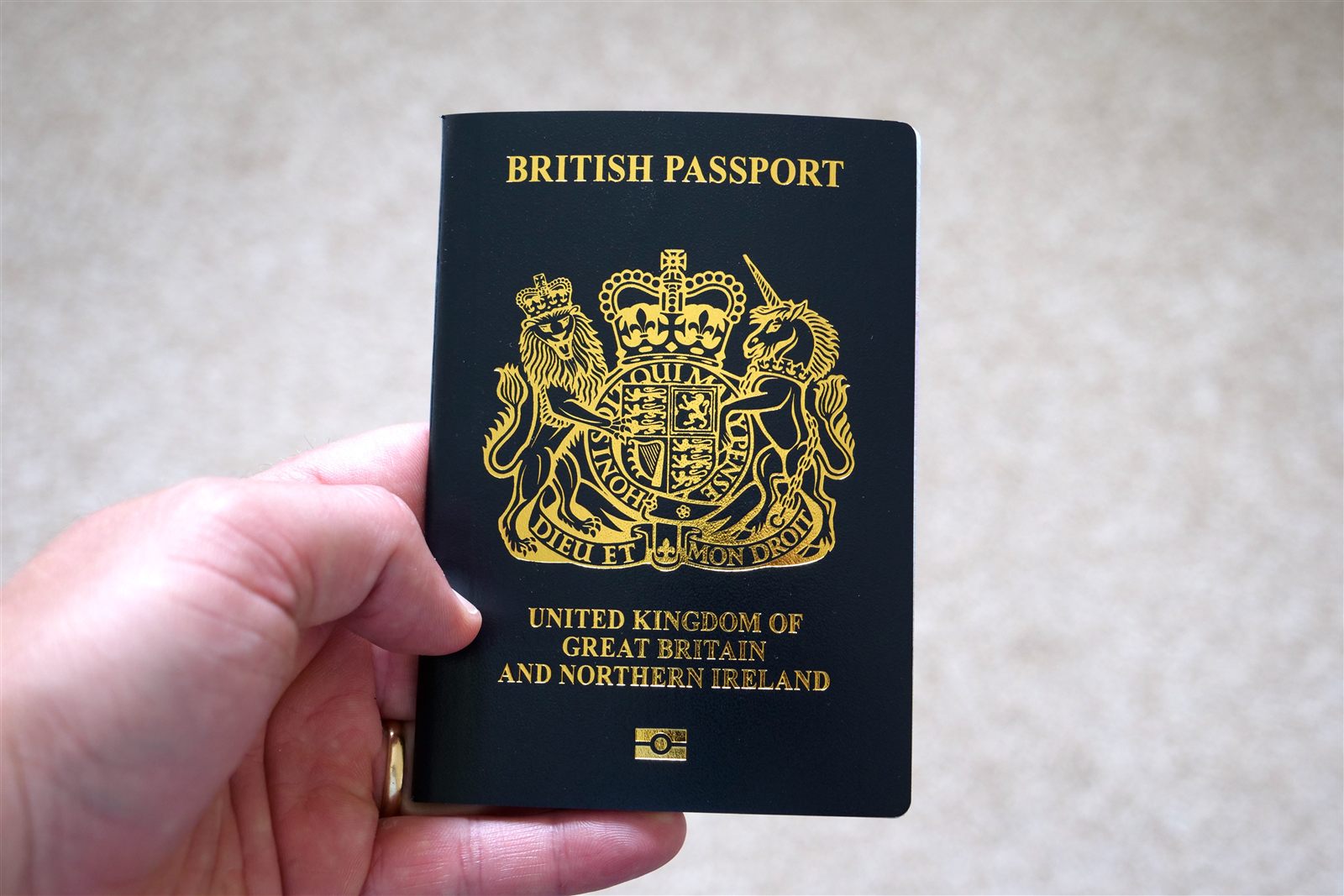
A prospective tenant sends you a photo of their passport and a reference from their last landlord. Both look perfect. The problem is that in 2026, "looks perfect" tells you almost nothing. AI tools can now generate a passport image, an employer letter and a former-landlord reference that pass a naked-eye check, and fraudsters are using them to get into rented homes across the UK.
You can't eyeball your way out of this any more. The good news is that the Right to Rent scheme already gives you checks that don't rely on your judgment of a document. They verify the tenant against Home Office records instead. Here's how to use them.
What a Right to Rent check actually requires
Right to Rent is an England-only scheme. Before a tenancy starts, you have to confirm that every adult who'll live in the property as their main home has the legal right to rent in the UK. Not just the lead tenant. Everyone aged 18 or over.
Miss it and the penalties are real. Since 13 February 2024, the civil penalty for letting to someone without the right to rent is up to £5,000 per lodger or £10,000 per occupier for a first breach, rising to £10,000 per lodger or £20,000 per occupier for a repeat breach (code of practice, gov.uk). Knowingly renting to someone without the right can also be a criminal offence carrying a prison sentence.
What to do: list every adult who'll live in the property and plan to check each one before the tenancy starts, not just the person who signed up. The natural moment is at referencing, when you take an offer, not on the day you hand over the keys.
Why a good-looking document isn't proof any more
Here's the part that's changed. A manual check, where you inspect original documents yourself, only gives you legal protection if the forgery isn't something you could reasonably be expected to spot. That standard was written for an era of physical documents. AI-generated fakes are built precisely to clear a reasonable naked-eye check, which is exactly where they leave you exposed.
The fix isn't to look harder. It's to use a check that doesn't depend on looking at all.
What to do: treat any document sent as a photo or PDF as unverified until you've confirmed it through one of the routes below.
The 3 ways to run a check, and which one defeats a fake
Gov.uk sets out 3 ways to check (how to check, gov.uk):
Online share-code check. If the tenant has an eVisa, a biometric residence permit or settled or pre-settled status, they give you a share code and their date of birth. You enter both on the Home Office site and see their status confirmed against official records. A forged document can't produce a valid share code.
Digital Verification Service (DVS). For British and Irish citizens, who can't get a share code, an officially registered identity service provider checks their passport digitally. This verifies the document rather than leaving it to your eye.
Manual document check. You inspect original documents in the person's presence. Still valid, but the weakest against a sophisticated fake, so keep it for cases where the digital routes don't apply.
If a tenant has no acceptable documents or share code, you can request a Home Office landlord checking service check, which returns a result within 2 working days. You'll need the tenant's Home Office reference number, and a positive result gives you a statutory excuse for 12 months.
What to do: default to the online share-code check or DVS. Reserve the manual check for when neither is possible, and never accept a photo of a document as the check itself.
The human checks a fake ID can't pass
A verified check confirms someone has the right to rent. It doesn't, on its own, confirm they are who the document says they are. That gap is where a conversation does the work a document can't.
Before a viewing, it's worth a phone call. Ask where they live now, where they've lived before, what they do and how long they've worked there. A real person answers easily and consistently, and a quick look to see whether they're on LinkedIn corroborates the employment story against a second source. A fabricated identity starts to wobble, because a forged passport can't describe the street it claims to come from.
This isn't an interrogation, it's the ordinary conversation a hands-on landlord has anyway. Let it range: why they're moving, what they already know about the area, what they need from a home. Someone genuinely relocating talks easily about the specifics, the school run, the commute, the local shops, and that lived detail is the hardest thing of all to fake. It corroborates the person against more than one source, which is exactly what counter-fraud teams now recommend as document forgery gets easier.
Being there in person matters for the same reason. Showing someone round yourself, rather than leaving it to a key-safe, means the person at the viewing is the person you go on to verify.
There's a timing trap worth naming. It's tempting to leave the formal check to the day you hand over the keys, often as a quick photo of the tenant holding their passport. That photo feels like proof. It isn't. It's exactly the image an AI fake is built to pass, and by handover day you've already committed to the let. The check belongs earlier, at the point you take an offer and ask about residency. Run the online share-code or in-person check then, against Home Office records, and you're verified before you commit, not after.
One more thing. Run the check the same way for every applicant. There's a Home Office code of practice on avoiding discrimination in Right to Rent checks, updated from 1 October 2026 to cover digital checks and eVisas specifically, and applying it evenly, never based on someone's name, accent or where they say they're from, is both the law and the right way to do it.
What to do: build your read from the call and the viewing first. Once you accept an offer, run the verified check on every adult who'll live there, before the tenancy starts and the same way whatever their nationality. Don't let a handover-day passport photo stand in for it.
Take a deposit before you spend on referencing
Referencing costs money, and a prospective tenant can pull out after you've paid for it. It's an easy trap. The rapport is good, you trust it, you skip the deposit, and if they walk away you've spent on the checks with nothing to recover. So once you accept an offer, take a holding deposit before you run anything. It's capped at one week's rent, and if the tenant then withdraws, the holding-deposit rules generally let you keep it toward your costs. Once the tenancy goes ahead, the same holding deposit rolls into the full deposit, and a separate clock starts: protecting your tenant's deposit in a government-approved scheme within 30 days of receiving it.
What to do: take the holding deposit when you accept the offer, before you pay for referencing or start the Right to Rent check.
The statutory excuse: your actual protection
Running the check correctly, and keeping the evidence, gives you a "statutory excuse". That's the legal shield that protects you from the civil penalty if a tenant later turns out not to have had the right to rent. Lose the record and you lose the shield, even if you did the check.
So the record matters as much as the check. You need to be able to show, months or years later, that you confirmed each occupier's status the right way, on the right date. It's the same discipline as keeping your annual gas safety check on file: the record is the point, not just the compliant act itself.
What to do: keep a dated, unalterable copy of every check result. For a manual check, the 1 October 2026 code requires you to keep it in a format that can't be edited, retained for the length of the tenancy plus one year. Store it where you can retrieve it on demand, not in a phone camera roll.
Follow-up checks for time-limited visas
If you checked a British or Irish passport, or confirmed settled or no-time-limit status, that excuse is continuous. It covers the whole tenancy and never needs a follow-up check, only the initial one. Nationality removes the follow-up, not the initial check itself. Everything below applies only where the right to rent is genuinely time-limited, for example an eVisa or a visa with an end date.
Two timing rules apply when a tenant's right to rent is time-limited. The first check has to fall within the 28 days before the tenancy starts. For everyone else, any time before the tenancy starts is fine, but for a time-limited visa that 28-day window is fixed, so a check done too early doesn't count. Then you carry out a follow-up check before your statutory excuse runs out. Under the code of practice in force from 1 October 2026, a time-limited excuse lasts until the latest of three dates: one year from the date you checked, the date their permission to stay in the UK expires, and the expiry date of the document or online result you checked. A follow-up check before that date keeps the excuse going; miss it and you can drift out of compliance without doing anything.
What to do: for a time-limited visa, run the first check within the 28 days before the tenancy starts, record the dates from the check, work out which of the three dates comes last, and set a reminder to re-check before it.
A managing agent can do the checks
An agent can carry out Right to Rent checks even if they don't collect the rent, but the civil-penalty responsibility only transfers if two things are both true: the agent is acting in the course of a business, and you have a written agreement making them responsible for the checks. Without both, the duty, and the penalty, stays with you.
What to do: if your agent handles Right to Rent, get it in writing and keep a copy.
Your Right to Rent checklist, in order
- Talk to every viewer first and make notes to jog your memory later. No fraudster survives a real conversation about a life they've invented.
- Be there in person at the viewing, or send someone competent to act for you.
- Accept an offer, then take a holding deposit (capped at one week's rent) before you pay for any checks. If the tenant then pulls out, the holding-deposit rules generally let you keep it toward your costs, so referencing someone who walks away doesn't leave you out of pocket.
- Reference the tenant for affordability, and verify every adult (18+) on the tenancy before it starts, the same way whatever their nationality.
- Pick the right check: the online share-code check, a certified provider (DVS) for British and Irish citizens, or the Home Office checking service if they have no documents. Never a photo of a passport.
- For a time-limited visa, run that check within the 28 days before the tenancy starts.
- Keep a dated copy of every result, retrievable on demand. That's your statutory excuse.
- Diarise the visa expiry and re-check before a time-limited permission lapses.
- If an agent runs the checks, get it in writing and keep the copy, or the duty stays with you.
Keep the proof, and know when to let it go
Now you understand the check, the harder part is proving you did it, correctly, for every occupier, on the right date, sometimes years later. A Right to Rent check also leaves you holding copies of someone's identity documents, and the law cuts both ways. Keep them safe and retrievable or you lose your statutory excuse. But don't keep them longer than you're allowed either, because over-retaining someone's personal data is a breach in its own right.
That's what UBiQS's free tenancy record is for. Every check goes into one secure place, dated and ready the day the council asks. You log the visa expiry date so a time-limited follow-up doesn't slip. And when a record has done its job, you clear it down, kept while you need it, gone when you don't, which keeps you the right side of GDPR too.
Start your record in Tenancy, then choose Right to Rent — Identity Verification. Free for your first property, no card required. Do the check right, and the proof is there when it counts.